

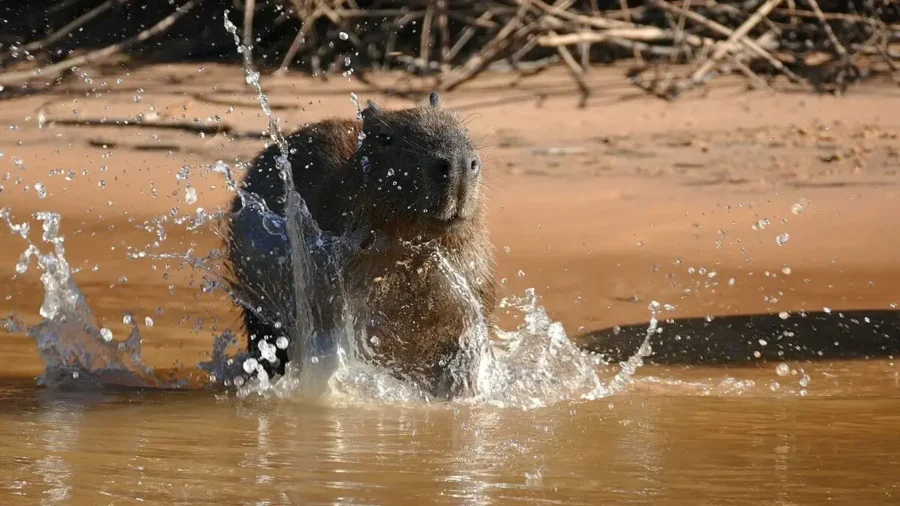

If you’re here, it’s because—just like us—you melt for those calm-eyed giants with with webbed little feet and that “I’m living in zen mode,how about you?” vibe.So buckle up: we’re about to dive into the world of the planet’s biggest (and chillest!) rodentsHere you’ll find not only fascinating facts but also stories that’ll make you smile and tips on how to admire them responsibly. Ready? Let’s roll!
Check out our store.



A dog-sized rodent? Yep, it’s real!
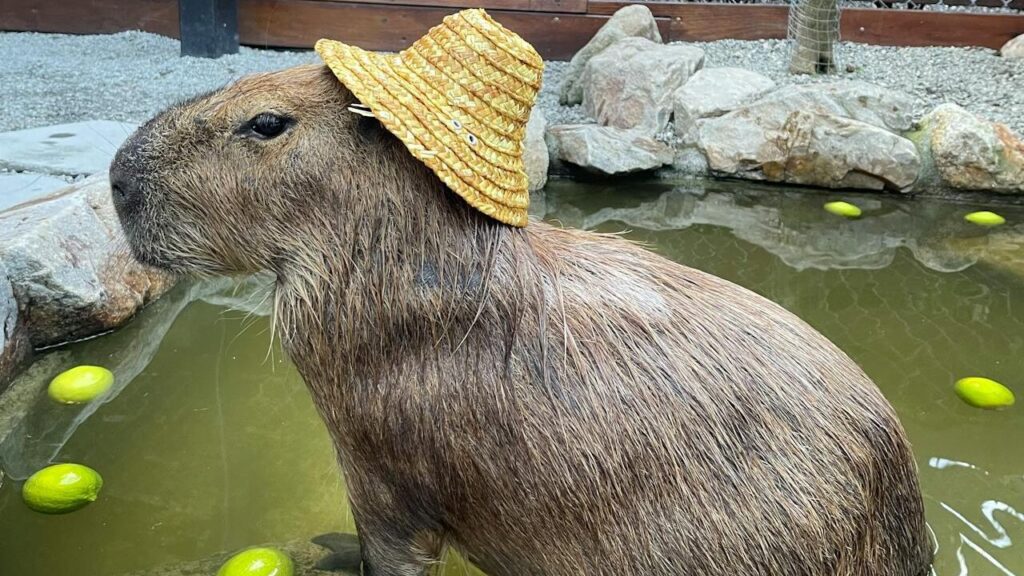
Picture a supersized guinea pig, rocking water-proof scruffy fur and a forever-chill grin. That’s the capybara. (o Hydrochoerus hydrochaeris, if you wanna impress at dinner).
- Where is the capybara from? It’s native to South AmericaIt hangs out in wetlands, rivers, and savannas across Brazil, Argentina, Colombia, Venezuela, and beyond.
- Adult capybara size:
- Length: 1 to 1.35 meters long (about the size of a small child).
- Weight: 35 to 65 kg. Imagine a rodent the size of a medium-sized dog!
Unique Features: Its webbed feet are perfect for swimming, and it can close its nostrils underwater—like a built-in snorkel!
They’re precocial babies.: These adorable babies born with fur and teeth—and they’re swimming within hours!
Difference between chigüire, carpincho, and capybara: They’re the same animal! The name just changes depending on the country.
Fun facts: In Argentina, they’re called “capibara”, in Brasil “capivara” but in Colombia and Venezuela, they're known as “chigüire”But everyone agrees on one thing: they’re impossible not to love..
Funny nicknames: Water rat, Lord of the Grass or Piro piro (in some Indigenous cultures).
“Thinking of getting a capybara as a pet?”
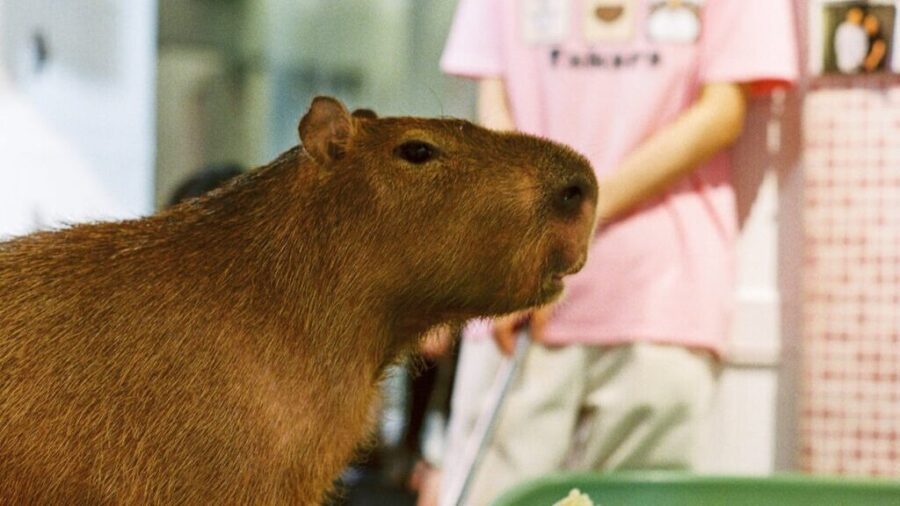
Is it a good idea to domesticate capybaras?
Even if they look adorable on social media, they’re not domestic animals. They need aquatic habitats and a social life in herds.
What’s life like for capybaras? Naps, feasts, and… social hierarchies!
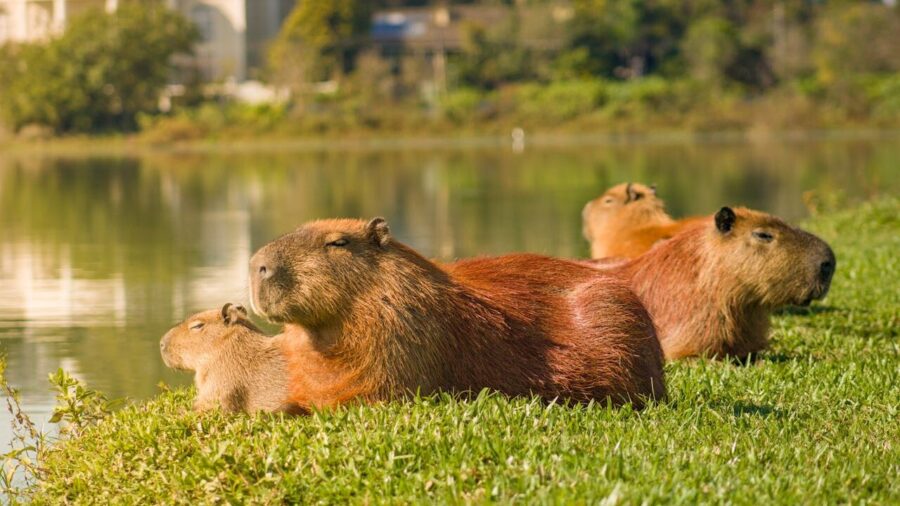
Think humans are complicated? Wait till you learn about these rodents’ social drama.
- «We’re a herd» : They live in groups of 10 to 20 individualsled by an alpha male. The golden rule? “Everyone looks out for everyone”. Females even nurse babies that aren’t theirs. Pure, wholesome solidarity!
- Green menu: They’re herbivores. They eat grasses, fruits, and aquatic plants. The wildest part? They regurgitate their food to digest it better—they’re ruminants, just like cows.
- Unique sounds: They bark to warn of danger, purr to soothe their babies, and whistle to flirt. They’ve got a whole language going on!
Expert tip: If you travel to places like the Esteros del Iberá (Argentina) or the Pantanal (Brasil), head out at dawn. You’ll spot entire capybara families sunbathing by the shore, with babies scurrying around. It’s pure visual therapy!
Capybaras in Pop Culture: From Chill Vibes to the Oscars and Beyond
‘Capybara Online’ Fashion It’s one of the cutest ways to melt hearts—showing off this lovable animal in full-on KAWAII style. Wanna gorro de capibara para la cabeza, un peluche que se sostenga en tu muñeca o una rock a capybara hat on your head? Or maybe a plushie that clings to your wrist?in Online shops like Etsy and Amazon are packed with capybara-inspired goodies everything from pajamas to socks!
Here’s a link so you can see exactly what we’re talking about. 😃
In Japan, they’re huge capybara fans too—they even have a special day just for them, the «KAPIBARASAN». Don’t believe us? See for yourself.
We’ve also had the chance to see them on the big screen. Where, you ask? In the movie ‘Flow’ (winner of a Student Oscar) features a capybara as a symbol of resilience? Yep! If you haven’t seen this beautiful film yet, here’s a reference image to show just how stunning it looked.
Plus, here’s a fun fact: these adorable rodents have also made their way into the music scene—yup, capybaras got rhythm too! Tha song ‘Capibara’ It’s a banger that pays tribute to their chill vibes—honestly, it represents us *way* too well.
Unsung Heroes: How Capybaras Help Save Ecosystems
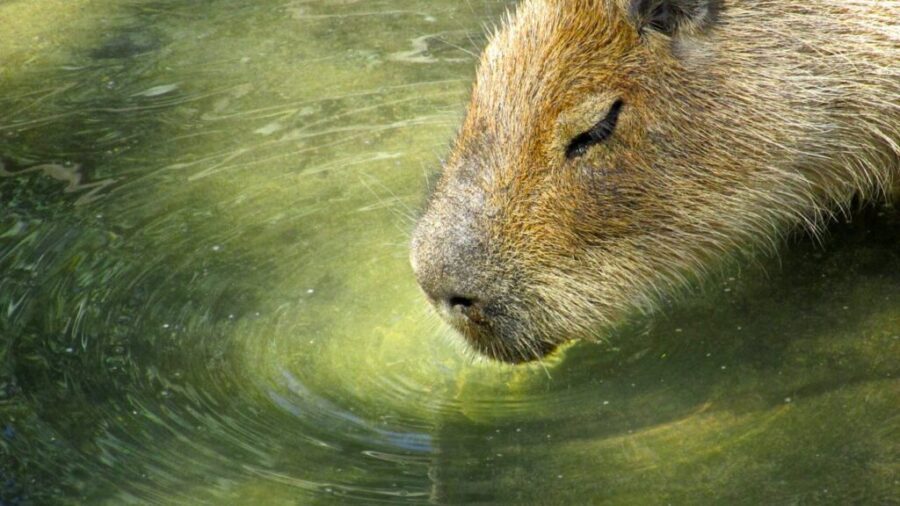
Behind their “gentle giant” reputationlies a vital ecological role:
- Wetland engineers: By grazing, they help control aquatic plant growth. Their poop? It actually fertilizes the water for fish and amphibians!
- Predator buffet: They’re a top menu item for jaguars, anacondas, and eagles. Without them, the balance of the food chain would collapse.
Real threats:
- Poaching: Their skin is used in leatherwork, and their meat is sold illegally.
- Habitat loss: Farming and urbanization are drying up their wetlands.
How can you help?
- Responsible tourismChoose tours that respect their space—no feeding or touching!
- Support wildlife reservesDonate to initiatives like Proyecto Capibara in Venezuela or symbolically adopt one.
Fun facts you won’t see in a documentary
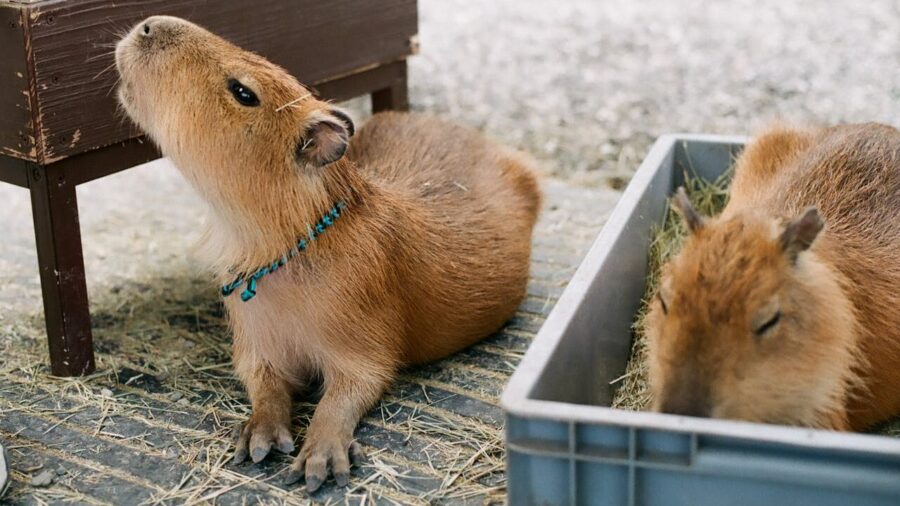
- Premature babies: The babies are born with fur, teeth, and their eyes wide open. Within hours, they’re swimming better than most humans!
- Unlikely friendshipsIn zoos, they’ve been spotted teaming up with turtles, chickens, and even cats.
- Extreme survivalThey can hold their breath for 5 minutes underwater to hide from predators.
Did you know…? In Guaraní culture, capybaras were believed to be messengers of the rain. No wonder they love water so much!
The life lesson capybaras teach us 💖
They don’t have social media, don’t chase likes, and definitely don’t stress over traffic. Their secret is simple: they live in the moment, in community, and in harmony with their surroundings.Next time the world feels like it’s spinning too fast, remember this: sometimes, all you need is to soak up the sun with your loved ones… and just let life flow.
“Capybaras don’t need to be heroes… but they definitely make the world a softer, sweeter place.”.
Best Plushies of 2025
- 🐾 The Fluffiest Hug: Review of the 12" Capybara Squishmallow by Jazwares

- 🗝️ A Touch of Cuteness on Your Keychain: Review of Redaica’s Capybara Keychains
- 🐾 Tezituor Capybara Plush: A Soft and Snuggly Hug
- 🎓 Achwishap Graduated Capybara Plush: Celebrate Achievements with Cuteness!
- Capybara pluchies 5 in 1
- Capibara Plushie XXL








 English
  Spanish